Párate en la puerta de cualquier supermercado grande y juega un pequeño juego. Cuenta los pasillos de cajas y bolsas, luego intenta encontrar la pequeña franja de comida real que depende de insectos. Si las abejas y sus parientes silvestres siguen desapareciendo, esa franja se reduce y los precios suben. No se trata solo de mariposas bonitas. Se trata de la cena, la salud y de quién se queda fuera a la hora de pagar.
En este articulo
- Cómo la disminución de los polinizadores afecta tu plato y tu billetera
- Por qué los insectos silvestres son más importantes de lo que crees
- Cómo las prácticas agrícolas y las decisiones políticas alimentan el problema
- Qué pueden hacer las comunidades ahora mismo
- Un plan que prioriza a la gente para mantener los alimentos reales y asequibles
La desaparición de los polinizadores y el precio de la cena
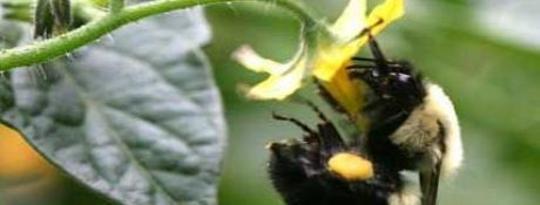
por Robert Jennings, InnerSelf.comCualquiera que haya cultivado tomates en maceta o cuidado un huerto conoce el secreto de la agricultura. Las flores se convierten en alimento porque alguien con alas transportó polen de un lugar a otro. Sin polinizadores, no hay fruta. No es ideología. Es biología con botas embarradas. Hemos tratado a los polinizadores como un simple decorado durante demasiado tiempo, y ahora ese decorado se presenta con un billete en la mano.
Si seguimos quemando la vela por ambos lados del campo —con productos químicos, pérdida de hábitat y estrés climático—, la caja nos enseñará la dura lección. Los pobres la aprenden primero. Luego, los demás seguimos, quejándonos como si la gravedad fuera una conspiración. Pero ya no podemos permitirnos quejarnos. Es hora de actuar.
Comida en la línea
Hagámoslo realidad. Imaginemos el café, las manzanas, las almendras, los arándanos, los pepinos, los melones, las calabazas y los pimientos. No aparecen por arte de magia. Se producen porque abejas, abejorros, mariposas, polillas, escarabajos e incluso algunas moscas útiles realizan un trabajo silencioso entre las flores. Cuando esos trabajadores desaparecen, la producción disminuye incluso si las plantas se ven bien a simple vista. Una menor producción significa menos cajas en el camión. Menos cajas en el coche significa precios más altos en la tienda. Precios más altos en la tienda significan que las familias comienzan a tomar decisiones que nadie debería tener que tomar. Las calorías baratas ganan. Los alimentos frescos pierden. La salud empeora a cámara lenta hasta que las salas de emergencia se convierten en el pasillo más caro del supermercado.
Existe el mito de que podemos simplemente aparcar unas cuantas colmenas y darlo por solucionado. Las abejas melíferas controladas son valiosas, pero no reemplazan por completo a las abejas silvestres. Muchos cultivos necesitan el zumbido, el tamaño corporal, la sincronización y la persistencia de los polinizadores nativos para fructificar bien. Algunas flores son exigentes y solo abren para ciertos visitantes a horas específicas. Las abejas silvestres conocen el horario porque evolucionaron con las plantas. Cuando arrasamos o fumigamos sus vecindarios, no solo perdemos insectos. Perdemos los pequeños acuerdos que mantienen la comida lista.

Ahora vuelva a visitar el supermercado con los ojos bien abiertos. La sección de frutas y verduras suele ser una estrecha franja en el borde. Al mismo tiempo, los pasillos centrales son un carnaval de esperanza de productos no perecederos. Si esa franja se encoge aún más, la dieta se vuelve aún más plana y el médico está aún más ocupado. Así es como un abejorro desaparecido se convierte en un pico de azúcar, una factura de farmacia y un presupuesto municipal que se inclina hacia la enfermedad. No es un problema teórico. Es un problema de suministro que genera un problema de salud que a su vez genera un problema de justicia.
Por qué lo salvaje importa
Los polinizadores silvestres son el equipo agrícola que nunca tuvo un agente de prensa. Vuelan con mal tiempo, se arrastran entre flores de formas extrañas y visitan plantas que las abejas pasan por alto. Muchos son solitarios, anidando en tallos huecos, tierra desnuda o grietas de piedras antiguas. Esto los hace resistentes y frágiles a la vez. Resistentes, porque no necesitan un apicultor para sobrevivir. Frágiles, porque un trabajo de jardinería descuidado, una pulverización a deshora o un tramo de desierto floreciente en un suburbio sin hierba pueden echar por la borda el esfuerzo de una temporada.
La diversidad no es un eslogan. Es una estrategia de cosecha. Cuando se tiene una mezcla de abejorros, abejas minadoras, abejas sudoríparas, abejas cortadoras de hojas, abejas albañiles, mariposas y escarabajos, es más probable que alguien aparezca cuando el clima es inusual. Una fría mañana de primavera podría matar a una abeja, pero un abejorro con su pelaje peludo puede volar y cumplir con el horario. Una flor de calabaza puede ser exigente, pero la abeja nativa adecuada sabe exactamente cómo abrirla y hacer el trabajo. Cuanto más simplificamos los paisajes a alfombras verdes y rutinas químicas, más apostamos a un único punto de fallo.
También hay una geometría que se pasa por alto. Los polinizadores silvestres suelen forrajear en distancias cortas y trabajan en patrones densos, lo que aumenta la fructificación por planta. En pocas palabras, cosen el campo con mayor densidad. Esa costura marca la diferencia entre un árbol cargado de fruta y uno que parece haber dormido toda la primavera. Cuando perdemos a los cosedores, las costuras se deshacen.
Cómo rompimos el sistema
No llegamos aquí por casualidad. Construimos un modelo agrícola que premia la escala, la velocidad y la uniformidad, y luego nos sorprendimos al ver que la vida no prosperaba en una fábrica. Arrancamos setos porque el GPS no podía guiarlos con la suficiente rapidez. Pavimentamos zanjas y afeitamos los bordes de los campos hasta que no quedó ningún cormorán para anidar ni rincones desordenados donde florecieran las flores silvestres. Luego rociamos insecticidas de amplio espectro que matan tanto a los útiles como a los dañinos, y nos preguntamos por qué los útiles no presentaron una queja. La presentaron. Simplemente no hablan inglés. Debemos comprender que cada acción que realizamos en el ecosistema tiene un efecto dominó, y es hora de asumir la responsabilidad de ese efecto.
Los herbicidas se sumaron a la fiesta, convirtiendo los campos en verdes desiertos donde casi nada florece entre cultivos. El calendario se acortó. Las semanas en que las flores solían servir néctar y polen se convirtieron en páginas en blanco. Los polinizadores no viven de promesas. Si no hay alimento en abril y mayo, habrá menos visitantes en julio, cuando el cultivo los necesita. Esa es la conclusión de un viejo chiste que nos seguimos contando. Queremos polinización gratuita en verano sin pagar el bufé en primavera.
El cambio climático introduce el tipo de caos que desbarata las antiguas alianzas. Las flores se abren antes o después. Las olas de calor llegan durante la floración y alteran el momento. Las tormentas atrapan a los insectos durante días. Las sequías los matan de hambre. Una abeja con un ciclo de vida corto no puede esperar una semana mejor. Si se pierde la oportunidad, no hay plan B. Cuando los gobiernos y los expertos fingen que recortar las salvaguardias ambientales es un regalo para los agricultores, en realidad les están dando una mecha corta.
Y luego está la política que confunde administración con tiranía. Hubo un tiempo en que el dominio significaba cuidado. Ahora suele significar desregular hasta que el río se incendia y lo llaman libertad. Alguien se beneficia por un cuarto. Todos pagan por una generación. Si quieres ver quién paga primero, párate en un desierto alimentario y observa a un padre elegir entre una caja barata y un pimiento caro. Si vas a ver quién se beneficia, mira al horizonte y cuenta los vasos.
Lo que podemos hacer ahora mismo
Basta de diagnósticos. Hablemos de soluciones visibles. Empecemos por el hábitat. Cada patio, escuela, iglesia, mediana, parque y zanja es una oportunidad para cultivar una franja de alimento real para los insectos. Flores nativas en oleadas a lo largo de la temporada. Grupos de la misma planta, para que las abejas no pierdan el día volando entre plantas solitarias. Parcelas de tierra desnuda para las que anidan en el suelo. Tallos huecos que se dejan en pie durante el invierno para las que anidan en cavidades. Un pequeño desorden a propósito es una mansión para los polinizadores.
A continuación, el momento oportuno y la moderación. Si debe controlar las plagas, hágalo con precisión y durante las horas en que los polinizadores no estén volando. Olvídese de los aerosoles automáticos y cámbielos por trampas, jabones específicos, insectos beneficiosos y, simplemente, la tolerancia a un poco de hoja masticada. El objetivo no es un campo de golf. El objetivo es el almuerzo. Si administra una granja, delinee los bordes con arbustos y hierbas que florezcan antes y después del cultivo. Pague por el buffet al que espera que asistan los invitados.
El agua es importante. Un plato poco profundo con piedras proporciona a las abejas un lugar seguro para posarse cuando hace calor. Un bebedero para pájaros con una esquina suavizada con guijarros minimiza los ahogamientos. En zonas propensas a la sequía, el riego por goteo y el mantillo son beneficiosos para las plantas y los insectos que se alimentan de ellas. Recuerda que un jardín con sed es un jardín tranquilo. Se nota la diferencia en julio.
Las escuelas son gigantes dormidos. Unos cuantos bancales elevados, un borde de flores nativas y una clase de primavera donde los niños observan el trabajo de las abejas pueden transformar la cultura de un barrio. Los niños se llevan esa lección a casa, y de repente una manzana tiene seis pequeños huertos en lugar de ninguno. A los polinizadores no les importa quién es el dueño de la escritura. Les importa que a alguien le importe.
Por último, habla con tu tendero y el encargado del mercado con la cartera en la mano. Pide productos de granjas que mantienen setos y cultivos de cobertura. Pide miel local a apicultores que no alimentan a sus abejas con monocultivos. Las opciones son a gran escala. Los minoristas, al servicio del dinero, predican sobre valores atados al parachoques. Si queremos comida de verdad, tenemos que financiar la agricultura de verdad.
Un plan alimentario que priorice a las personas
Esta no es solo una historia ambiental. Es una historia de democracia y dignidad. Si queremos que los niños coman algo que creció en la tierra, necesitamos una política que deje de castigar a los agricultores por hacer lo correcto. Hay que pagar por las franjas de floración como pagamos por las carreteras. Hay que recompensar la rotación de cultivos como recompensamos las exenciones fiscales. Hay que facilitar la obtención de pequeñas subvenciones para huertos urbanos y parcelas de iglesias, no solo para proyectos gigantescos con cabilderos involucrados.
Los presupuestos de salud deberían ser compatibles con los presupuestos agrícolas. Cada dólar invertido en mantener a los polinizadores trabajando es un dólar que no se invierte en combatir las enfermedades causadas por calorías baratas. Integrar las clínicas y los huertos comunitarios y financiar ambos. Enseñar alfabetización alimentaria con la misma seriedad con la que se enseñan matemáticas. Uno nutre el cerebro. El otro nutre todo lo demás.
También necesitamos el tedioso y hermoso trabajo de zonificación y códigos que permitan jardines delanteros, colmenas en azoteas cuando sea apropiado y paisajes que parezcan vida, no plástico. Un barrio que florece es un barrio que habla consigo mismo. La delincuencia disminuye cuando la gente está en los porches admirando las plantas de algodoncillo de los demás.
Y sí, deberíamos tener a mano algo de justa ira contra cualquiera que trate el medio ambiente como una molestia. Eliminar al árbitro no hace que el juego sea justo. Lo hace violento. La EPA no es tu enemiga cuando tu manzano necesita un amigo. Los únicos que realmente se benefician de la ausencia de reglas son aquellos que pueden permitirse mudarse cuando el agua corre de forma extraña y los estantes se vacían. El resto de nosotros preferiríamos quedarnos con tomates que saben a tomate.
Aquí viene la parte esperanzadora. Los polinizadores son resilientes cuando les damos un poco de ayuda. Planta un huerto y en cuestión de semanas verás tráfico. Deja tallos y encontrarás pequeños inquilinos la próxima primavera. Deja que el trébol florezca en el césped y, sin querer, organizarás un festival. El retorno de la inversión se mide en el cuajado de frutos, en niños comiendo con jugo en la barbilla y en barrios que huelen a verano en lugar de a gases de escape.
Podemos seguir fingiendo que se trata de estética, o podemos ser adultos y admitir que se trata de suministro, salud y equidad. La solución no es complicada. Se trata de un millón de pequeñas acciones respaldadas por políticas sensatas. Las abejas no necesitan discursos. Necesitan flores, un nido seguro, agua limpia, un clima sensato y un poco de respeto. Si les damos eso, nos darán de comer.
Sobre el Autor
 Robert Jennings es coeditor de InnerSelf.com, una plataforma dedicada a empoderar a las personas y promover un mundo más conectado y equitativo. Robert, veterano del Cuerpo de Marines y del Ejército de los EE. UU., aprovecha sus diversas experiencias de vida, desde trabajar en el sector inmobiliario y la construcción hasta crear InnerSelf.com con su esposa, Marie T. Russell, para aportar una perspectiva práctica y fundamentada a los desafíos de la vida. InnerSelf.com, fundada en 1996, comparte conocimientos para ayudar a las personas a tomar decisiones informadas y significativas para sí mismas y para el planeta. Más de 30 años después, InnerSelf continúa inspirando claridad y empoderamiento.
Creative Commons 4.0
Este artículo está licenciado bajo una licencia Creative Commons Reconocimiento-Compartir Igual 4.0. Atribuir al autor Robert Jennings, InnerSelf.com. Enlace de regreso al artículo Este artículo apareció originalmente en InnerSelf.com
Libros recomendados
El lamento del apicultor: cómo un hombre y 500 millones de abejas ayudan a alimentar a Estados Unidos
Una mirada desde el suelo a las personas y los insectos que mantienen polinizado nuestro sistema alimentario, contada con valentía y humor y repleta de lecciones que cualquier comunidad puede utilizar.
Resumen del artículo
La disminución de los polinizadores no es un problema marginal. Reduce la producción, eleva el precio de los alimentos y empuja a las familias a adoptar dietas poco saludables. Los insectos silvestres son tan importantes como las abejas criadas, y la solución reside en un hábitat práctico, una agricultura más inteligente y políticas que beneficien a los sistemas vivos. Plante franjas, proteja la floración, conecte la salud con la agricultura, y mantenga los alimentos auténticos y asequibles para todos.
#Polinizadores #SeguridadAlimentaria #AgriculturaDelPueblo